

Does Gout Go Away on Its Own? How Long a Gout Attack Lasts, and When to Get Help
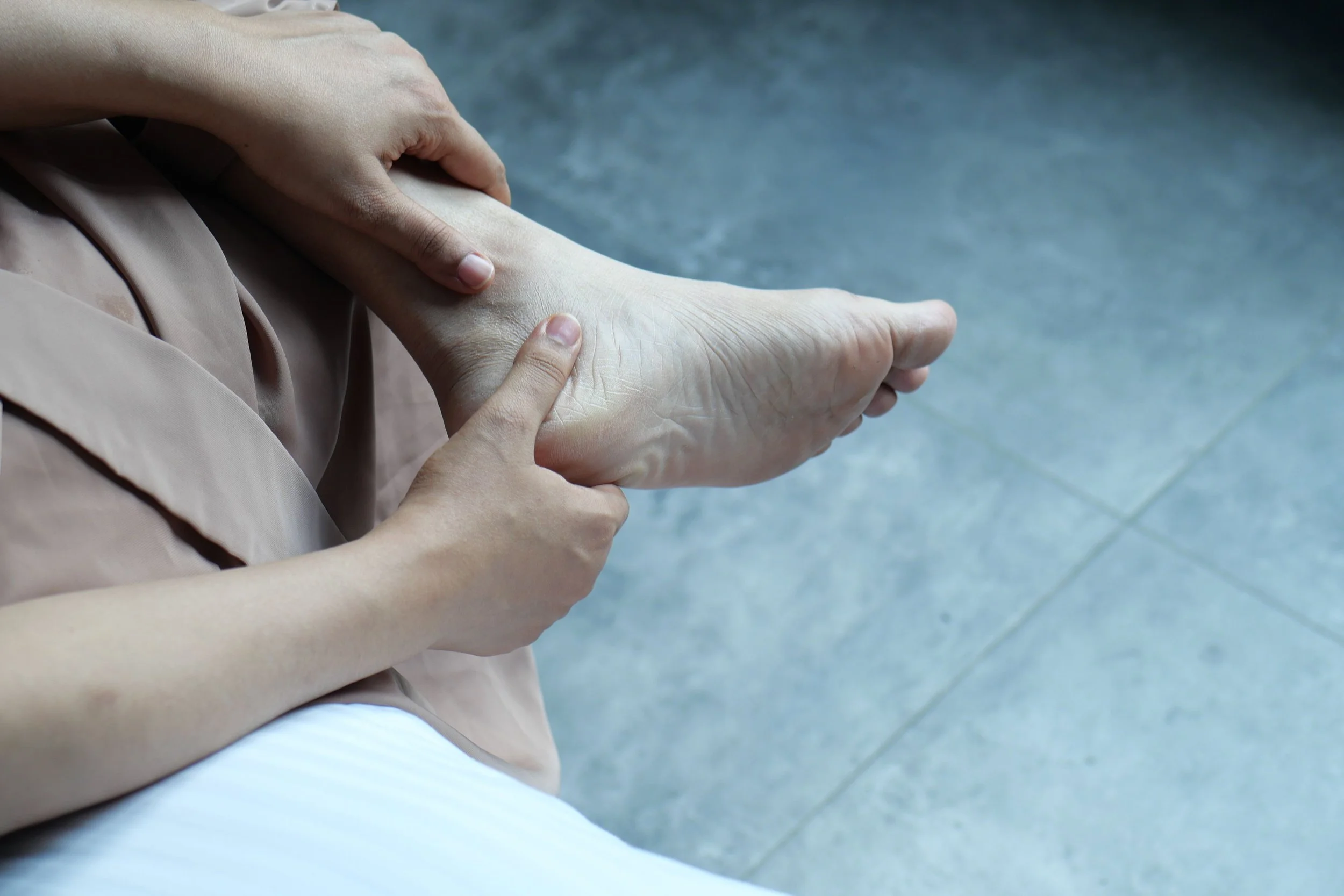
A gout flare usually settles on its own within days. The uric acid behind it does not.
Does gout go away on its own? The honest answer has two parts. A single gout attack usually does calm down by itself, typically within a few days to about two weeks. The gout does not. The uric acid that caused the attack is still in your blood, the crystals are still in the joint, and without treatment the next flare is usually a question of when, not if. Here is how long an attack lasts, what to do tonight to shorten it, and what it takes to make the flares stop for good.
Does gout go away on its own?
A gout flare is your immune system reacting to sharp uric acid crystals inside a joint. That reaction burns hot and then, in most people, burns itself out. Pain peaks early, swelling and redness fade over several days, and the joint goes back to normal. That is why so many people convince themselves the problem is gone.
But the flare and the disease are two different things. Gout is caused by too much uric acid in the blood, a condition called hyperuricemia. Unless that level comes down, crystals keep forming, and each new flare tends to be longer and involve more joints than the last. The Centers for Disease Control and Prevention describes gout as a chronic condition with periods of flares and remission, and that is exactly what we see in our Whittier office: patients who waited years between the first attack and the first appointment, while the attacks quietly got worse.
So the flare goes away on its own. The gout stays until it is treated.
How long does a gout attack last?
Most untreated flares run their course in a few days to about two weeks. Major medical centers such as the Mayo Clinic and Cleveland Clinic describe the pain as most intense in the first day or so, then easing over the following days, with some discomfort lingering after the swelling has gone. Flares treated early, within the first hours, tend to be shorter and milder than flares that are left alone.
What stretches a flare out: waiting several days before treating it, a large joint like the knee or ankle rather than the toe, more than one joint involved, dehydration, continued alcohol, kidney disease, and stopping or starting uric acid medication without guidance. What shortens it: anti-inflammatory treatment started at the first twinge, rest, and a plan already in place from a rheumatologist.
First hours: Sudden pain, often overnight. The joint turns red, hot, and swollen. Even a sheet on the toe is unbearable.
Days one to three: Pain is at its worst. This is the window where early treatment makes the biggest difference.
Days three to fourteen: Swelling and redness fade. Pain becomes an ache. Skin over the joint may peel or itch.
After the flare: The joint feels normal, but uric acid is still high and crystals are still present. Without treatment, flares return.
What causes gout to flare up?
Anything that pushes uric acid up quickly, or shifts it suddenly, can set off a flare. The usual suspects:
Alcohol, especially beer and spirits.
A large meal heavy in red meat, organ meat, or shellfish.
Sugary drinks sweetened with fructose.
Dehydration, including after exercise or a hot day.
An illness, surgery, or injury to the joint.
Certain medications, including some diuretics (water pills). Never stop a prescribed medication on your own; ask us, because there is often an alternative.
One trigger surprises people: starting a uric acid-lowering medication can cause a flare in the first weeks, as crystals begin to dissolve. That is expected, it is temporary, and it is why we usually pair the new medication with a short course of flare prevention. It is not a reason to stop the medication, and stopping and restarting it on your own is one of the most common causes of the flares we treat.
How to stop a gout attack faster: what to do tonight
Act at the first sign. If you have been given a flare plan by your doctor, start it now rather than waiting to see if the pain gets worse. This advice is for people already diagnosed with gout. If this is your first hot, swollen joint, get seen the same day instead, because an infection can look identical and a pain reliever can mask the warning signs. If you have an established diagnosis, an over-the-counter anti-inflammatory such as naproxen or ibuprofen is a common first step. Call us before taking any if you are over 65, are pregnant, or have kidney disease, stomach ulcers or bleeding, heart failure, heart disease, or high blood pressure, or if you take blood thinners, daily aspirin, steroids, or another pain reliever. Follow the label and do not take more than it says. Call us if the pain is not improving in two to three days. Colchicine and short steroid courses are the other standard choices, both prescription only, so use what was prescribed for you rather than a leftover or borrowed supply. Colchicine can interact with some antibiotics and cholesterol medicines, and steroids can raise blood sugar, which matters if you have diabetes. We match all of this to your other conditions.
Then:
Rest the joint and raise it above heart level when you can.
Ice wrapped in a towel, for short stretches.
Drink water steadily through the day.
Skip alcohol and heavy meat for the duration of the flare.
Do not walk it off, and do not stop a uric acid medication you are already taking.
If this is your first flare, or your flares are coming more often, call our office the same day. A flare is treatable within a visit, and it is the moment when the long-term plan actually gets started. Our gout specialists see new patients within the week in most cases.
Under 6.0 mg/dL. The uric acid level the 2020 American College of Rheumatology gout guideline targets for most gout patients, and under 5.0 for people with tophi or severe gout. Below target, existing crystals slowly dissolve and new ones stop forming. Flares keep returning when uric acid stays above target over time, not because of any single reading. Two things to know: a routine physical does not always include a uric acid test, and the level can read normal or even low during a flare, so a normal number does not rule gout out. This target is a treatment goal, not a way to diagnose gout. Plenty of people have a high level and never develop it.
In the middle of a gout flare right now? Call our Whittier office. We treat the attack, confirm the diagnosis on-site, and start the plan that stops the next one. Se habla español. Call (562) 758-6600 or request an appointment online.
Why gout keeps coming back
Uric acid is a normal waste product. Most people either make too much of it or, more often, their kidneys clear too little. Once the level in the blood stays above the point where uric acid can dissolve, it crystallizes in the coolest joints first, which is why the big toe is the classic target. Those crystals sit quietly until something disturbs them, and then the immune system floods the joint.
Every untreated year adds crystals. Over time the flares last longer, spread to the ankle, knee, wrist, or fingers, and can leave firm deposits under the skin called tophi. Crystals can also form in the kidneys. Repeated flares wear down the joint itself. None of this is inevitable. It is what happens when only the flares are treated and the uric acid is left alone.
Why a rheumatologist, and not just a podiatrist
A podiatrist is the right doctor for many foot problems, and plenty of gout patients get their first diagnosis there. But gout is not a foot disease. It is a body-wide metabolic condition that happens to show up in the foot first. Managing it long term means adjusting uric acid medication over months, watching kidney function, handling the interaction with blood pressure and heart medications, and recognizing when what looks like gout is actually something else.
That is rheumatology’s home turf. At Amicus, we confirm the diagnosis by examining joint fluid for urate crystals when needed, we prescribe and fine-tune urate-lowering therapy to a clear target, and for severe or tophaceous gout that has not responded to standard treatment we offer advanced infusion therapy in our own in-office infusion center. If you already see a podiatrist, we are glad to work alongside them.
When a gout flare is an emergency
A hot, swollen, exquisitely painful joint is also how a joint infection looks, and an infected joint can cause permanent damage within days. Go to urgent care or the emergency room, rather than waiting for a flare to pass, if any of these apply:
Fever or chills along with the joint pain.
Redness that is spreading or streaking up the leg.
You cannot bear any weight on the joint.
Diabetes, a weakened immune system, or an artificial joint.
A first severe attack when you have never been diagnosed with gout.
Antibiotics, not gout medication, are the treatment for an infected joint, and only a fluid test can tell the two apart.
The treatment that actually ends the flares
Once you have had two or more flares in a year, or any tophi or joint damage on an X-ray, the American College of Rheumatology recommends daily urate-lowering therapy. After a single flare it is usually a judgment call, weighed against factors like kidney stones, a uric acid over 9, or moderate or worse kidney disease. Allopurinol is the usual first choice. Before starting it we test for HLA-B*5801 in patients of Southeast Asian descent, including Han Chinese, Korean and Thai, and in African American patients, because that gene carries a risk of a rare but severe skin reaction. Febuxostat is the alternative, though it carries an FDA boxed warning about heart-related deaths, so we generally avoid it in people with heart disease when another option exists. We start at a low dose, lower still if you have kidney disease, check your level every few weeks, and step the dose up until you are reliably under target. For the first three to six months we add a low dose of colchicine or an anti-inflammatory, or low-dose prednisone when neither is safe, to prevent the flares that dissolving crystals can trigger. Two things patients often get wrong: this is long-term treatment, so stopping once the flares settle usually brings them back, and you keep taking it during a flare rather than pausing it.
This takes patience. Crystals that built up over years take months to clear, and flares can still happen during that period. Patients who stay on treatment through that stretch are the ones who eventually forget they ever had gout. Diet changes help, and we go over them with you, but for most people diet alone will not bring uric acid under target.
Our gout treatment page lists the medications we prescribe, how we monitor them, and the options for gout that has not responded to standard therapy.
Gout care in Whittier, El Monte, and Southeast Los Angeles
Amicus Arthritis & Osteoporosis Center is an independent rheumatology practice at 12456 Washington Blvd in Whittier, serving patients from El Monte, Temple City, Alhambra, Rowland Heights, Diamond Bar, Montebello, Pico Rivera, Downey, Santa Fe Springs, and Norwalk. We accept Medicare and most PPO, HMO, and IPA plans, our staff verifies your benefits before treatment, and our rheumatologists see patients in English, and several also in Spanish, Mandarin, or Farsi. Directions and parking are here.
If your gout has been managing you instead of the other way around, this is the visit that changes it.
Frequently asked questions
Can you flush out gout by drinking water?
Staying well hydrated helps your kidneys clear uric acid and may shorten a flare slightly, but water alone will not bring a high uric acid level down to a safe range or dissolve the crystals already in the joint. Think of it as support, not treatment.
What stops gout pain immediately?
Nothing is truly instant, but an anti-inflammatory, colchicine, or a steroid started within the first hours of a flare is the fastest way to bring it under control, along with rest, elevation, and ice. If you cannot take anti-inflammatories because of kidney disease, ulcers, or blood thinners, call your rheumatologist for an alternative rather than waiting.
Can I get rid of gout without seeing a doctor?
A flare may pass on its own, but gout as a disease cannot be cleared without lowering uric acid, which almost always requires a prescription medication and blood tests to guide the dose. Untreated gout also gets harder to control over time, so seeing a doctor early usually means less medication, not more.
Is it better to rest or keep walking with gout?
Rest the joint during a flare. Walking on an inflamed joint prolongs the attack and can make the swelling worse. Once the flare has settled, regular gentle activity is good for you and helps with weight and overall uric acid levels.
What gets mistaken for gout?
A joint infection (septic arthritis) is the most important one because it needs urgent treatment. Pseudogout, a different crystal disease, looks almost identical. Cellulitis, a stress fracture, a bunion flare, and rheumatoid or psoriatic arthritis can also be confused with gout. A rheumatologist can tell them apart, sometimes only by testing the joint fluid.
Call (562) 758-6600 to see a gout specialist in Whittier this week.
This article is for general educational purposes and does not replace personalized medical advice. If you have a fever with a hot, swollen joint, or symptoms that are getting worse quickly, seek urgent care.